[et_pb_section fb_built=”1″ theme_builder_area=”post_content” _builder_version=”4.21.0″ _module_preset=”default”][et_pb_row _builder_version=”4.21.0″ _module_preset=”default” theme_builder_area=”post_content”][et_pb_column _builder_version=”4.21.0″ _module_preset=”default” type=”4_4″ theme_builder_area=”post_content”][et_pb_text _builder_version=”4.21.0″ _module_preset=”default” theme_builder_area=”post_content” hover_enabled=”0″ sticky_enabled=”0″]
Introduction
Nigeria’s supply chain industry plays a critical role in the country’s economy, from moving raw materials to delivering finished products. However, it faces numerous challenges such as inefficiencies, fraud, and a lack of transparency. In this digital age, solutions like blockchain and data analytics have emerged as game-changers, offering transformative potential to revamp the supply chain landscape in Nigeria.
Understanding Nigeria’s Supply Chain Challenges
Before delving into the solutions, let’s examine the core challenges plaguing Nigeria’s supply chain:
- Transparency and Traceability: Lack of transparency makes it difficult to track goods from source to destination, leading to inefficiencies and potential fraud.
- Counterfeit Goods: Counterfeit products are a significant issue in the Nigerian market, putting consumer safety at risk.
- Inefficiencies: Inefficient logistics, inventory management, and demand forecasting can lead to unnecessary waste and costs.
- Quality Control: Ensuring product quality throughout the supply chain is challenging, impacting consumer confidence.
- Regulatory Compliance: Meeting regulatory standards can be a cumbersome task without streamlined processes.
The Blockchain Revolution
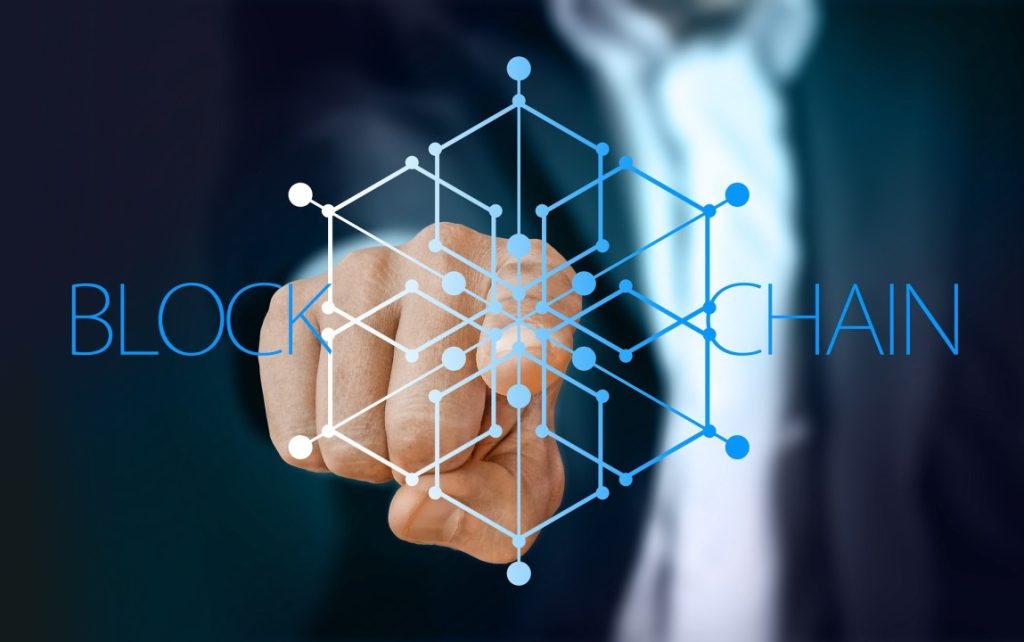
Blockchain, the distributed ledger technology behind cryptocurrencies like Bitcoin, offers a decentralized and secure solution to these challenges. In Nigeria’s supply chain, it can bring the following benefits:
- Transparency and Traceability: Blockchain provides an immutable ledger, enabling real-time tracking of goods. Every transaction is recorded, making it virtually tamper-proof.
- Anti-Counterfeiting: Products can be verified and authenticated, helping consumers differentiate genuine from counterfeit goods.
- Smart Contracts: These self-executing contracts can automate and enforce agreements, reducing the risk of fraud and disputes.
- Quality Control: Data about product quality can be stored on the blockchain, giving consumers and stakeholders confidence in the authenticity and quality of products.
- Regulatory Compliance: Records of compliance can be securely stored on the blockchain, making audits and verifications more straightforward.
Harnessing Data Analytics
In conjunction with blockchain, data analytics plays a crucial role in optimizing the supply chain:
- Supply Chain Efficiency: By analyzing large datasets, companies can optimize inventory management, demand forecasting, and logistics, leading to reduced waste and costs.
- Quality Control: Data analytics monitors the quality of products at every stage of the supply chain, ensuring only top-quality items reach consumers.
- Sustainability and Ethical Sourcing: Data analytics can assess the environmental impact of the supply chain, encouraging sustainable and ethical practices.
- Consumer Insights: Understanding consumer behavior and preferences becomes more accessible with data analytics, allowing businesses to tailor their offerings.
Overcoming Challenges and Implementing Change
While the potential benefits are substantial, implementing blockchain and data analytics in Nigeria’s supply chain comes with its challenges:
- Investment: Adequate investment in technology and training is necessary to transition to these systems.
- Data Security: In a digitally growing economy, data privacy and security are paramount.
- Collaboration: Stakeholders must work together to standardize practices and ensure a seamless transition.
Conclusion
The integration of blockchain and data analytics in Nigeria’s supply chain presents an exciting opportunity to address longstanding challenges. By enhancing transparency, reducing fraud, and optimizing operations, these technologies can boost efficiency, quality, and consumer trust. For Nigeria, embracing these innovations may well mark the beginning of a new era in supply chain management, and set the stage for a more prosperous and competitive economy.
[/et_pb_text][/et_pb_column][/et_pb_row][/et_pb_section]
